What Is a Pakka Bill? GST Tax Invoice Rules Explained Simply
A pakka bill is simply a GST tax invoice. Here is exactly what it must contain, when you must issue one, and how it differs from a kaccha bill.
Platform Owner · · 3 min read
If you run a shop in India, you have heard both terms. A customer asks for a pakka bill, or says a kaccha bill will do. The difference is not slang — it is the difference between a legal tax document and a scrap of paper.
What a pakka bill actually is
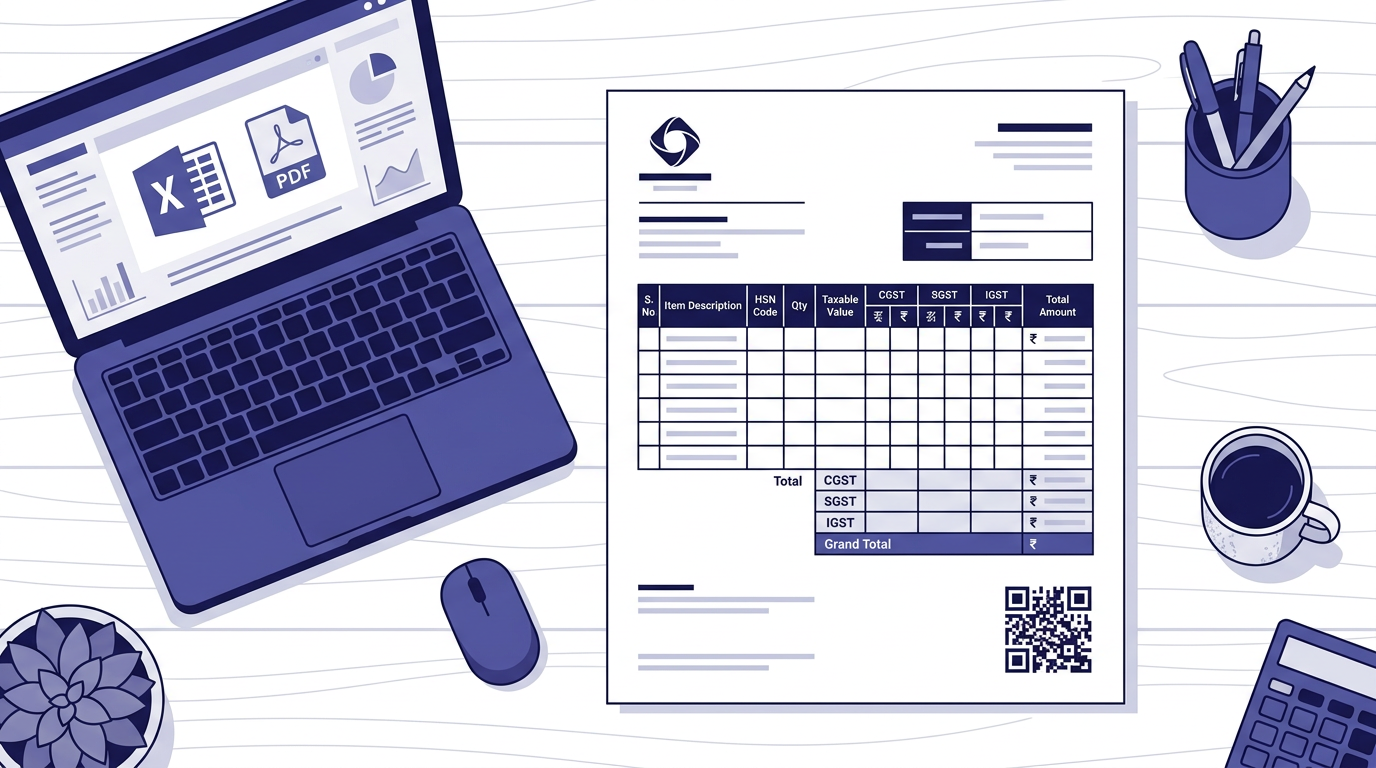
A pakka bill is the everyday name for a GST tax invoice. It is the document a GST-registered business must issue for every taxable sale. It carries your GSTIN, the tax breakup, and an HSN code for each item. Crucially, it is what lets your buyer claim input tax credit.
A kaccha bill is an informal receipt. It has no legal standing under GST, and a business buyer cannot claim credit against it.
What must appear on a GST invoice
Rule 46 of the CGST Rules lists the mandatory fields. Miss one and your buyer's credit can be blocked:
- A unique, consecutive invoice number for the financial year
- Date of issue
- Your name, address and GSTIN
- The buyer's name, address and GSTIN, if they are registered
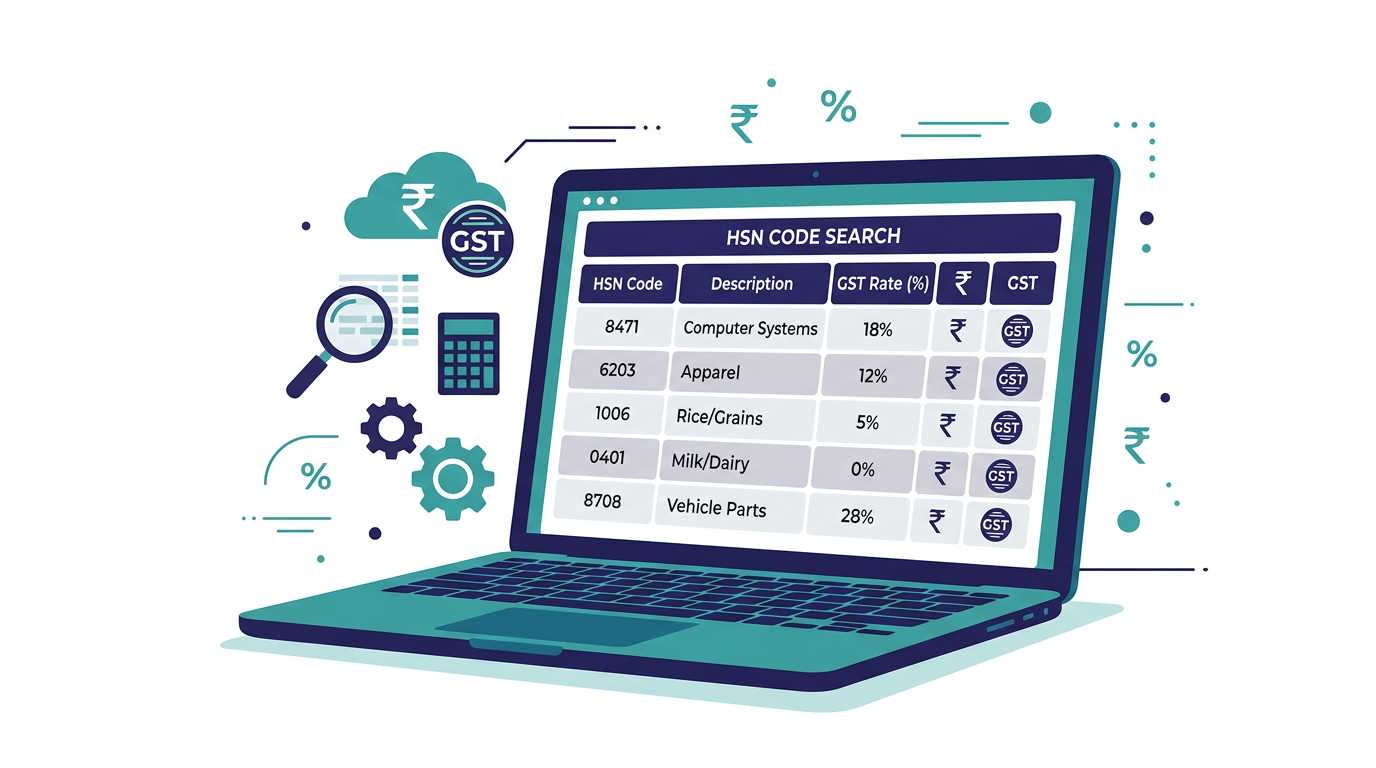
- HSN code for goods, or SAC code for services
- Description, quantity, unit and taxable value of each item
- The tax rate and amount, split into CGST and SGST, or shown as IGST
- Place of supply, and your signature or digital signature
CGST and SGST, or IGST?
This trips up more people than anything else, but the rule is simple. Compare your state with the place of supply:
- Same state — split the tax equally into CGST and SGST. An 18% rate becomes 9% + 9%.
- Different state — charge the full 18% as IGST.
The place of supply is usually the buyer's location for goods. Get this wrong and your GSTR-1 will not match your buyer's records.
When you must issue one
For goods, issue the invoice before or at the time of delivery. For services, within 30 days of providing them. If you are under the composition scheme you cannot issue a tax invoice at all — you issue a bill of supply instead, with no tax charged.
Doing it by hand is where errors creep in
Handwritten bills go wrong in predictable ways: a repeated invoice number, a missing HSN code, or CGST charged on an inter-state sale. Each of those can cost your buyer their input credit and cost you the relationship.
Billing software removes the judgement calls. BikriBook picks the tax split from the place of supply, keeps your numbering unbroken, and stores HSN codes against each item so they are never forgotten.
Frequently asked questions
- Is a pakka bill the same as a GST invoice?
- Yes. Pakka bill is the common Indian term for a GST tax invoice — a legal document with your GSTIN, HSN codes and the tax breakup.
- Can I issue a pakka bill without a GSTIN?
- No. Only a GST-registered business can issue a tax invoice. Without registration you may issue a bill of supply or an ordinary invoice with no GST charged.
- What happens if my GST invoice has a mistake?
- Issue a credit note or debit note against the original invoice. Do not delete or overwrite it — GST law requires an unbroken invoice trail.